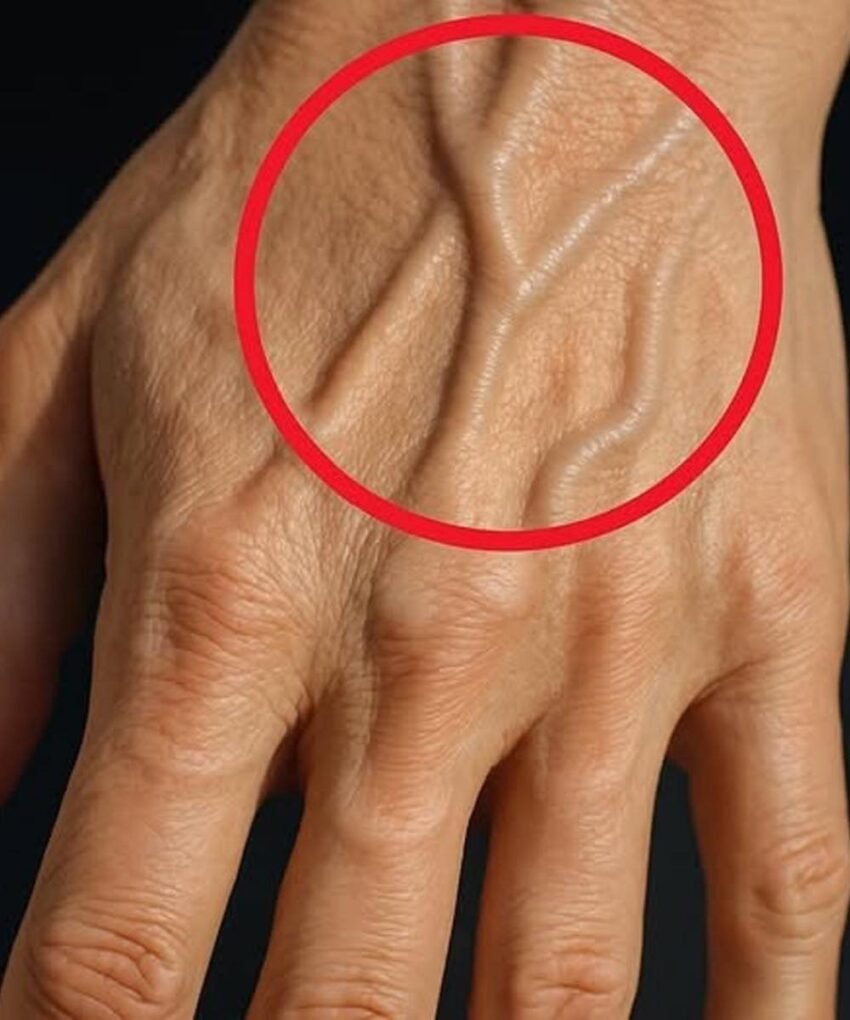
Our bodies often show subtle external signs that reflect what is happening internally. One physical feature that people sometimes notice is the appearance of veins on the hands. Prominent or suddenly visible veins can raise questions about circulation, hydration, and even organ health. While hand veins alone cannot diagnose any medical condition, changes in their appearance may occasionally reflect underlying health factors—including hydration status and kidney function.
In this article, we’ll explore how kidney health is connected to circulation and fluid balance, and what visible hand veins might indicate about your body.
Understanding Hand Veins
The veins on the back of your hands are superficial veins, meaning they lie close to the surface of the skin. These veins carry blood back to the heart after oxygen has been delivered to tissues.
Normally, hand veins may become more visible due to several harmless factors, including:
-
Low body fat
-
Aging and thinning skin
-
Warm temperatures
-
Physical exercise
-
Genetics
However, in some situations, prominent veins can also reflect changes in hydration, blood volume, or circulation—areas where kidney function plays an important role.
The Kidneys and Fluid Balance
Your kidneys are essential organs responsible for maintaining the body’s internal balance. Their main functions include:
-
Filtering waste products from the blood
-
Regulating fluid levels
-
Maintaining electrolyte balance
-
Controlling blood pressure
When kidneys work properly, they carefully regulate how much fluid stays in the body and how much is excreted through urine. If this balance shifts, it can affect blood circulation and the appearance of veins.
How Kidney Health Can Affect Vein Appearance
While visible hand veins are usually harmless, certain kidney-related conditions can indirectly influence how veins look.
1. Dehydration and Reduced Fluid Volume
Dehydration is one of the most common reasons veins appear more prominent.
When your body loses fluid, blood volume decreases slightly, and tissues may shrink. As a result, veins can appear more raised or visible beneath the skin.
The kidneys normally help conserve water during dehydration by reducing urine output. However, prolonged dehydration can place stress on the kidneys and affect overall circulation.
Common dehydration signs include:
-
Dry mouth
-
Dark urine
-
Fatigue
-
Dizziness
-
More visible veins
Drinking enough water helps maintain healthy circulation and supports kidney function.
2. Fluid Retention and Circulatory Changes
In some cases, kidney problems may lead to fluid retention rather than dehydration. When the kidneys cannot remove excess fluid effectively, it may accumulate in different parts of the body.
Typical signs include:
-
Swelling in hands or feet
-
Puffy eyelids
-
Tight skin
Although swelling usually hides veins rather than making them more visible, circulation changes can sometimes alter how veins appear.
3. Blood Pressure and Kidney Function
The kidneys play a major role in regulating blood pressure. High blood pressure can affect blood vessels throughout the body, including those in the hands.
Long-term elevated blood pressure can lead to changes in blood vessel elasticity and circulation patterns, which may influence how veins appear.
However, visible hand veins alone are not a reliable indicator of hypertension or kidney disease.
4. Loss of Skin Thickness
People with chronic illnesses—including advanced kidney disease—sometimes experience nutritional changes or muscle loss that can make veins appear more prominent.
Thinner skin and reduced fat beneath the skin allow veins to become easier to see.
This effect is also common with aging and weight loss, which are much more common causes.
When Visible Hand Veins Are Completely Normal
In many cases, visible veins are simply a normal variation and not related to any medical problem.
Situations where prominent veins are completely normal include:
-
After exercise
-
During hot weather
-
In athletes or lean individuals
-
With aging
-
Due to genetics
Some people naturally have more visible veins than others.
Warning Signs That Should Not Be Ignored
While visible veins themselves are usually harmless, you should consult a healthcare professional if they appear alongside other symptoms that may suggest kidney or circulation problems.
Possible warning signs include:
-
Persistent swelling in hands, feet, or face
-
Foamy or dark urine
-
Reduced urination
-
Severe fatigue
-
Shortness of breath
-
Persistent high blood pressure
These symptoms require medical evaluation because they may indicate kidney or cardiovascular issues.
Supporting Kidney Health Naturally
Keeping your kidneys healthy is essential for maintaining proper fluid balance, circulation, and overall wellness.
Here are some practical ways to support kidney health:
Stay Hydrated
Drinking enough water helps the kidneys flush waste products effectively and maintain healthy blood volume.
Eat a Balanced Diet
Foods rich in antioxidants and nutrients support kidney function. These include:
-
Leafy greens
-
Berries
-
Whole grains
-
Healthy fats
Limit Excess Salt
Too much sodium can increase blood pressure and strain the kidneys.
Exercise Regularly
Physical activity supports healthy circulation and blood pressure control.
Monitor Blood Pressure
Keeping blood pressure in a healthy range protects kidney function.
The Bottom Line
The veins on your hands can change in appearance for many reasons, most of which are completely harmless. Factors like aging, genetics, exercise, and hydration often explain why veins become more visible.
Although kidney health plays an important role in regulating fluid balance and circulation, visible hand veins alone are not a reliable indicator of kidney disease. However, if changes in vein appearance occur alongside symptoms such as swelling, unusual urine changes, or persistent fatigue, it may be worth seeking medical advice.
Listening to your body and maintaining healthy habits—like staying hydrated, eating well, and monitoring blood pressure—can go a long way in protecting both your kidneys and your overall health.