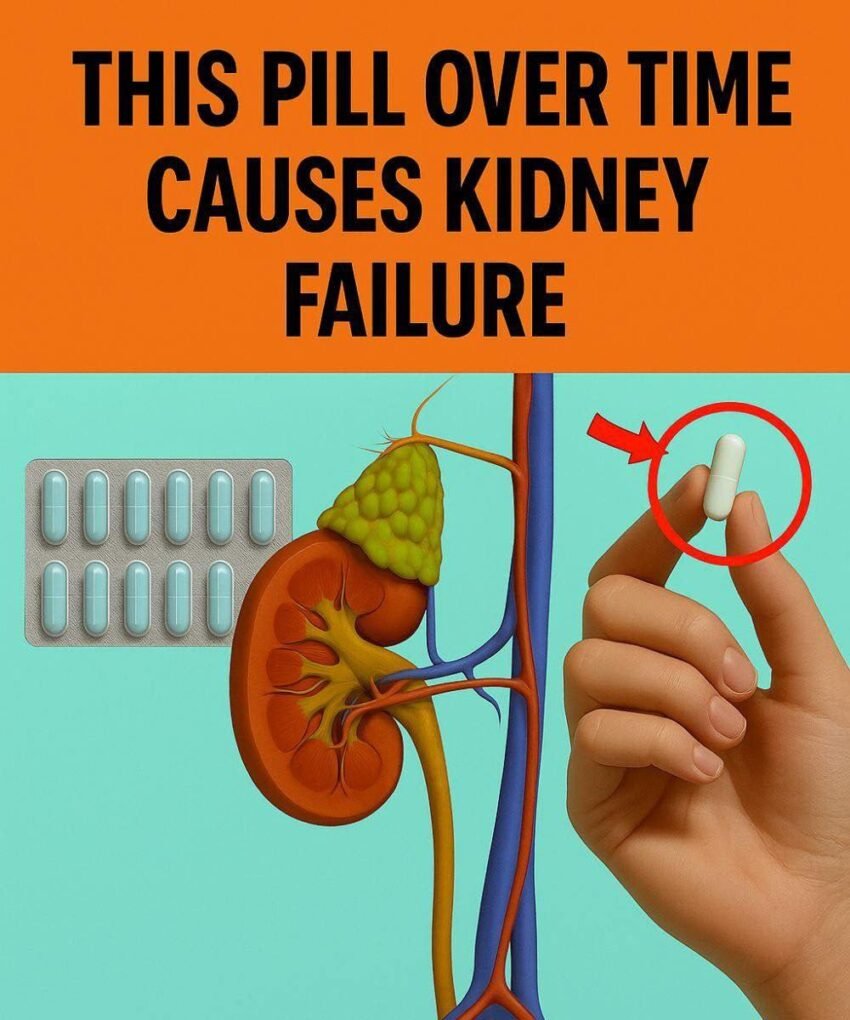
Your kidneys work quietly in the background every single day, filtering waste, balancing fluids, controlling blood pressure, and keeping your body functioning properly. Most people rarely think about their kidneys until something goes wrong. However, many everyday medications, supplements, and lifestyle choices can gradually damage kidney function without obvious warning signs.
If you’ve ever heard someone say, “Taking this could be affecting your kidneys, consult your doctor,” it may sound like a routine warning. In reality, it is an important message that should never be ignored. Certain substances that seem harmless can put serious stress on your kidneys, especially when used frequently or without proper medical guidance.
Understanding how these substances affect your kidneys can help you protect your long-term health.
Why Kidney Health Matters
The kidneys are two bean-shaped organs located on either side of the spine just below the rib cage. Each day they filter about 50 gallons of blood, removing toxins and excess fluids through urine. In addition to filtering waste, the kidneys also:
-
Regulate blood pressure
-
Balance electrolytes such as sodium and potassium
-
Produce hormones that control red blood cell production
-
Maintain proper fluid levels in the body
-
Support bone health through vitamin D regulation
When kidney function declines, waste and toxins begin to accumulate in the body. This can lead to fatigue, swelling, high blood pressure, and in severe cases, kidney failure requiring dialysis or transplantation.
Because kidney damage often develops slowly and silently, prevention is extremely important.
Common Substances That Can Affect Your Kidneys
Many people unknowingly take medications or supplements that can strain kidney function. While these products are often safe when used properly, misuse or overuse can create serious risks.
1. Pain Relievers (NSAIDs)
Over-the-counter painkillers are among the most common causes of medication-related kidney problems.
Nonsteroidal anti-inflammatory drugs (NSAIDs) such as:
-
Ibuprofen
-
Naproxen
-
Diclofenac
are frequently used to treat headaches, muscle pain, arthritis, and fever. When taken occasionally and at recommended doses, they are generally safe for healthy individuals.
However, long-term or excessive use can reduce blood flow to the kidneys, making it harder for them to filter waste. People who take these medications regularly for chronic pain may unknowingly damage their kidneys over time.
2. Certain Antibiotics
Antibiotics are essential for treating bacterial infections, but some types can be harsh on the kidneys, particularly when used improperly or for extended periods.
Examples include:
-
Aminoglycosides
-
Vancomycin
-
Certain antivirals and antifungal medications
These medications may cause inflammation or toxicity in kidney tissues. Doctors usually monitor kidney function during treatment with these drugs to reduce risks.
3. Herbal Supplements
Many people assume that herbal remedies are always safe because they are “natural.” Unfortunately, this is not always true.
Some herbal supplements contain compounds that may harm kidney tissue or interact with medications. Examples that have been linked to kidney problems include:
-
Aristolochia herbs
-
Excessive licorice extract
-
Certain traditional herbal mixtures
Unlike prescription medications, supplements are often less strictly regulated, meaning ingredients and dosages may vary widely.
Before taking any herbal product regularly, it is best to consult a healthcare professional.
4. High-Dose Vitamins and Minerals
Vitamins are essential for health, but taking extremely high doses can sometimes backfire.
For example:
-
Too much vitamin C may increase the risk of kidney stones.
-
Excess vitamin D can lead to calcium buildup in the kidneys.
-
High doses of calcium supplements may also contribute to stone formation.
Balance is key. Supplements should only be taken in doses recommended by a healthcare provider.
5. Contrast Dyes Used in Imaging Tests
Certain diagnostic tests such as CT scans and angiograms use contrast dye to improve imaging. In some individuals, especially those with pre-existing kidney disease or diabetes, this dye may temporarily reduce kidney function.
Doctors usually evaluate kidney health before performing such procedures and may recommend hydration or alternative tests if necessary.
Who Is Most at Risk?
While anyone can develop kidney problems from certain substances, some people face a higher risk.
High-risk groups include individuals who:
-
Have diabetes
-
Have high blood pressure
-
Are over age 60
-
Already have kidney disease
-
Take multiple medications regularly
-
Are dehydrated frequently
If you fall into one of these categories, it is particularly important to discuss medication safety with your doctor.
Warning Signs of Kidney Problems
Kidney damage often develops quietly, but certain symptoms may appear as the condition worsens. Warning signs include:
-
Persistent fatigue or weakness
-
Swelling in the feet, ankles, or face
-
Changes in urination (frequency or color)
-
Foamy or bubbly urine
-
Difficulty concentrating
-
High blood pressure
-
Nausea or loss of appetite
These symptoms can be subtle and may be caused by many different conditions. Only medical testing can confirm whether your kidneys are functioning properly.
Why You Should Consult Your Doctor
Many medications and supplements that affect kidney function are still necessary for treating health conditions. The goal is not to avoid them entirely, but to use them safely under medical supervision.
Your doctor may:
-
Adjust medication dosage
-
Recommend safer alternatives
-
Monitor kidney function with blood tests
-
Check for harmful drug interactions
-
Provide guidance on hydration and lifestyle habits
Routine tests such as serum creatinine levels and estimated glomerular filtration rate (eGFR) can help detect kidney issues early, often before symptoms appear.
Tips to Protect Your Kidneys
Protecting kidney health doesn’t require drastic changes. A few simple habits can make a significant difference.
Stay Hydrated
Drinking enough water helps the kidneys flush toxins and maintain healthy filtration.
Use Medications Responsibly
Always follow dosage instructions and avoid taking multiple painkillers or supplements without guidance.
Manage Blood Pressure and Blood Sugar
Keeping these conditions under control greatly reduces the risk of kidney damage.
Limit Excessive Salt
Too much sodium increases blood pressure and places extra strain on the kidneys.
Avoid Self-Medication
Never start long-term medication or supplements without consulting a healthcare professional.
The Bottom Line
Your kidneys play a vital role in keeping your body balanced and healthy, yet they are often overlooked until problems arise. Many common medications, supplements, and even diagnostic procedures can impact kidney function if used incorrectly.
If you ever encounter the warning “Taking this could be affecting your kidneys, consult your doctor,” treat it seriously. A simple conversation with a healthcare provider can help prevent long-term damage and ensure that any treatment you use is safe for your body.
Early awareness, responsible medication use, and regular medical checkups are the best ways to keep your kidneys functioning well for years to come.