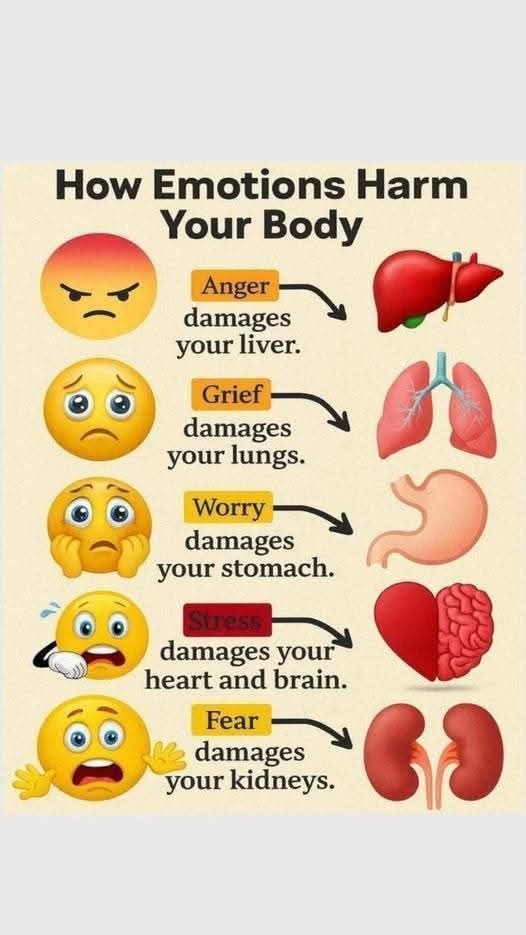
Understanding how emotions impact the body can help people recognize the importance of emotional balance and mental health in maintaining physical health.
The Mind–Body Connection
The brain and body are closely connected through the nervous system and hormones. When you experience strong emotions, your brain releases chemical signals that trigger physical responses throughout the body.
For example:
-
Stress can increase heart rate and blood pressure
-
Anxiety can cause muscle tension and headaches
-
Fear can activate the body’s “fight or flight” response
When these reactions happen occasionally, they are normal and even helpful. But when negative emotions persist for long periods, they may begin to harm the body.
Chronic Stress and Its Physical Effects
One of the most common emotional states that affects the body is chronic stress. When a person experiences constant stress, the body produces high levels of stress hormones such as cortisol and adrenaline.
Over time, elevated stress hormones may lead to:
-
High blood pressure
-
Increased heart disease risk
-
Weakened immune system
-
Fatigue and sleep problems
Long-term stress can also make the body more vulnerable to illnesses and infections.
Impact on the Heart
Strong negative emotions like anger, anxiety, and sadness can affect cardiovascular health.
These emotions may cause:
-
Increased heart rate
-
Elevated blood pressure
-
Inflammation in blood vessels
Research suggests that long-term emotional stress can increase the risk of heart disease and other cardiovascular problems.
Emotional well-being therefore plays an important role in maintaining a healthy heart.
Digestive System Problems
The digestive system is particularly sensitive to emotional states. Stress and anxiety can interfere with normal digestive processes and may lead to symptoms such as:
-
Stomach pain
-
Nausea
-
Indigestion
-
Loss of appetite
-
Irritable bowel symptoms
This happens because the brain and gut communicate through a network known as the gut-brain axis.
When emotions become overwhelming, digestion may slow down or become irregular.
Weakened Immune System
The immune system protects the body from infections and diseases. However, chronic emotional stress can weaken immune defenses.
High stress levels may:
-
Reduce the body’s ability to fight viruses and bacteria
-
Slow healing from injuries or illness
-
Increase inflammation in the body
People experiencing long-term emotional distress may find themselves getting sick more frequently.
Effects on Sleep
Emotional stress often interferes with healthy sleep patterns. Anxiety and worry can keep the mind active at night, making it difficult to fall or stay asleep.
Poor sleep can lead to:
-
Fatigue
-
Reduced concentration
-
Mood swings
-
Lower immune function
Sleep problems can also worsen emotional health, creating a cycle where stress and poor sleep reinforce each other.
Muscle Tension and Pain
Negative emotions can cause the body to remain in a state of tension. Muscles may tighten without a person even realizing it.
This can lead to physical symptoms such as:
-
Headaches
-
Neck and shoulder pain
-
Back pain
-
Jaw tension
When stress persists, chronic muscle tension may become a regular source of discomfort.
Hormonal Imbalance
Strong emotions influence the endocrine system, which controls hormone production.
Prolonged stress may affect hormones related to:
-
Metabolism
-
Appetite
-
Mood regulation
-
Reproductive health
Hormonal imbalances can impact energy levels, weight, and overall health.
Mental Health and Physical Health Are Connected
Emotional well-being and physical health are deeply interconnected. When emotional health suffers, the body often reflects that imbalance through physical symptoms.
Common emotional states that can affect the body include:
-
Chronic stress
-
Anxiety
-
Depression
-
Anger
-
Loneliness
Addressing emotional health can therefore improve both mental and physical wellness.
Healthy Ways to Manage Emotions
Learning to manage emotions effectively can help protect the body from the harmful effects of chronic stress.
Some helpful strategies include:
Regular Physical Activity
Exercise helps release endorphins, which improve mood and reduce stress.
Mindfulness and Relaxation
Practices such as meditation, deep breathing, and yoga can calm the nervous system.
Healthy Social Connections
Talking with friends, family, or counselors can provide emotional support.
Balanced Lifestyle
Getting enough sleep, eating nutritious foods, and maintaining a daily routine helps stabilize emotions.
Final Thoughts
Emotions are powerful forces that influence both the mind and the body. While occasional stress or sadness is a natural part of life, prolonged negative emotions can affect many bodily systems, including the heart, immune system, digestion, and muscles.
Taking care of emotional health is just as important as maintaining physical health. By managing stress, practicing self-care, and seeking support when needed, individuals can protect their bodies and improve their overall quality of life.
A healthy mind and a healthy body work together—and maintaining emotional balance is a key part of living a healthy life.