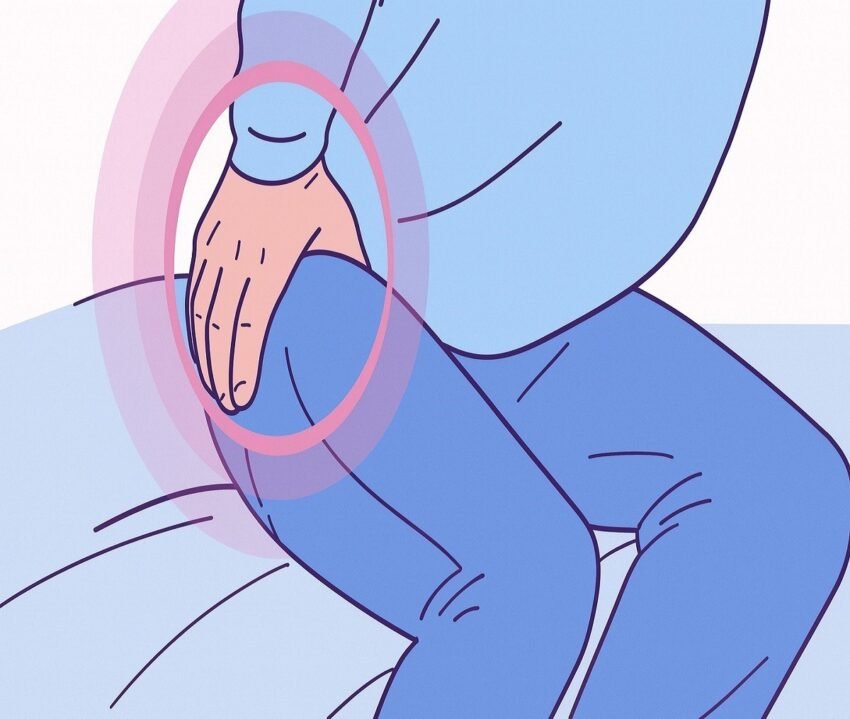
Hip pain is a common problem that can affect people of all ages. It may arise suddenly due to injury or develop gradually over time because of wear and tear. The pain can be felt in the hip joint itself, groin, thigh, or even radiate to the lower back and knee.
Common Symptoms of Hip Pain
The symptoms depend on the underlying cause but often include:
1. Pain in the Hip or Groin
- Deep, aching pain in the hip joint
- Pain may also be felt in the groin area (often joint-related)
2. Radiating Pain
- Pain spreading to the thigh, buttocks, or knee
- Sometimes linked to nerve issues like Sciatica
3. Stiffness and Reduced Movement
- Difficulty walking, bending, or rotating the hip
- Trouble getting up from sitting
4. Limping
- Walking with difficulty due to pain or weakness
5. Swelling or Tenderness
- Especially in soft tissue conditions
- Pain when pressing the affected area
6. Clicking or Popping Sensation
- Feeling or hearing a “snap” in the hip during movement
7. Pain Worse with Activity
- Increases with walking, running, or standing
- May improve with rest
Common Causes of Hip Pain
1. Arthritis
- The most frequent cause in older adults
- Osteoarthritis leads to cartilage breakdown
- Causes stiffness, pain, and reduced mobility
2. Bursitis
- Inflammation of fluid-filled sacs (bursae)
- Causes pain on the outer side of the hip
3. Muscle or Tendon Strain
- Overuse, sports injuries, or sudden movements
- Leads to localized pain and stiffness
4. Hip Fracture
- More common in elderly or those with weak bones
- Often related to Osteoporosis
- Causes severe pain and inability to bear weight
5. Labral Tear
- Damage to the cartilage ring (labrum) around the hip joint
- Common in athletes
- Causes clicking and instability
6. Tendinitis
- Inflammation of tendons due to overuse
- Causes pain during movement
7. Referred Pain
- Pain from another area, like the spine
- Conditions such as Spinal Stenosis can cause hip discomfort
8. Infections or Other Conditions (Rare)
- Joint infection or inflammatory diseases
- Require urgent medical attention
Treatment of Hip Pain
Treatment depends on the cause and severity:
1. Rest and Activity Modification
- Avoid activities that worsen pain
- Allow the joint to recover
2. Medications
- Pain relievers (e.g., NSAIDs)
- Reduce pain and inflammation
3. Physical Therapy
- Strengthens muscles around the hip
- Improves flexibility and mobility
4. Hot and Cold Therapy
- Ice reduces swelling
- Heat relaxes muscles and improves blood flow
5. Lifestyle Changes
- Maintain a healthy weight to reduce joint stress
- Regular low-impact exercise (walking, swimming)
6. Assistive Devices
- Use of a cane or walker to reduce pressure on the hip
7. Injections
- Corticosteroid injections to reduce inflammation
- Temporary relief in severe cases
8. Surgery (If Needed)
- Hip replacement or repair in severe conditions
- Common in advanced arthritis or fractures
When to See a Doctor ⚠️
Seek medical care if you have:
- Severe pain or sudden injury
- Inability to walk or bear weight
- Swelling, redness, or fever
- Pain lasting more than a few weeks
Final Thoughts
Hip pain can result from simple muscle strain or more serious joint conditions. Early recognition of symptoms and proper treatment can prevent complications and improve quality of life.
Staying active, maintaining good posture, and taking care of your joints are key steps in preventing hip pain. If symptoms persist or worsen, professional evaluation is important for accurate diagnosis and treatment.