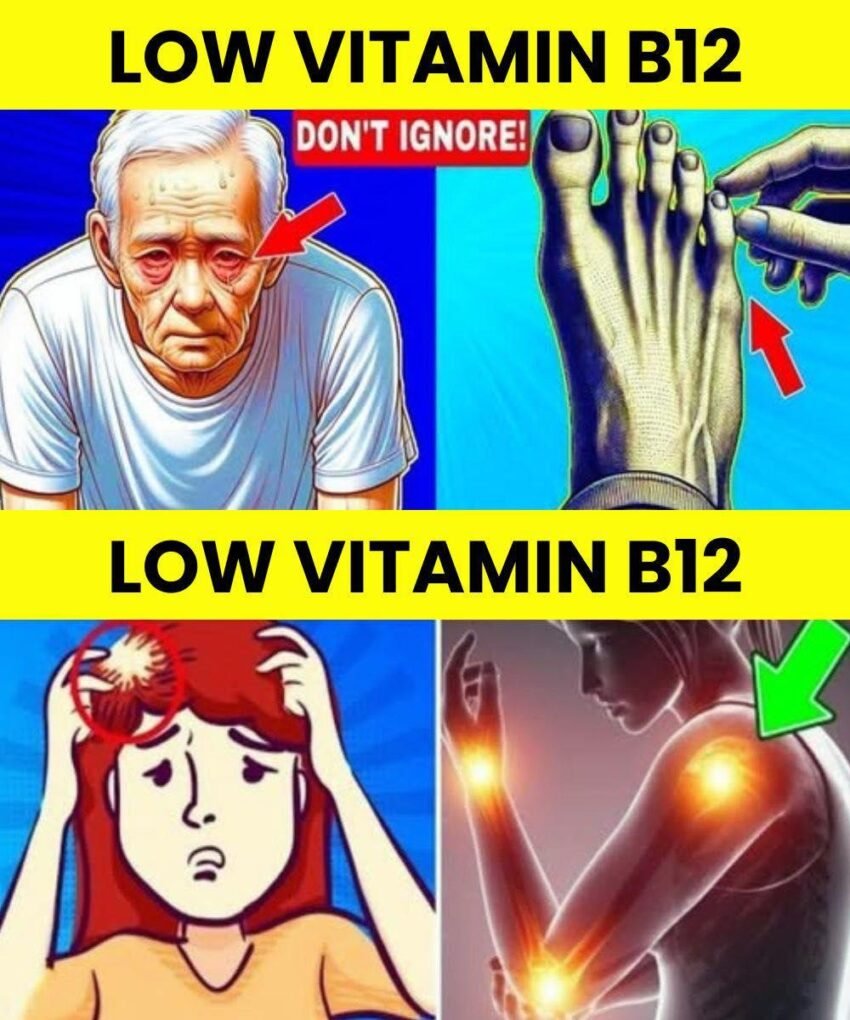
Vitamin B12 is an essential nutrient that plays a critical role in maintaining nerve health, producing red blood cells, and supporting DNA synthesis. Despite its importance, many people around the world unknowingly suffer from low levels of vitamin B12. Because the symptoms often develop slowly and may mimic other health issues, a deficiency can go unnoticed for months or even years.
Vitamin B12 is mainly found in animal-based foods such as meat, fish, eggs, and dairy products. People who follow vegetarian or vegan diets, older adults, and individuals with digestive disorders are especially at risk of deficiency. When the body lacks enough vitamin B12, several subtle warning signs may appear.
Here are nine hidden signs that your body may need more vitamin B12.
1. Persistent Fatigue and Weakness
One of the most common early symptoms of vitamin B12 deficiency is ongoing fatigue. Even after getting enough sleep, a person may still feel unusually tired or low on energy throughout the day.
This happens because vitamin B12 is required to produce healthy red blood cells. Without enough of this vitamin, the body may struggle to transport oxygen effectively to tissues and organs. As a result, muscles and the brain receive less oxygen, leading to constant exhaustion and weakness.
Many people initially blame stress or lack of sleep, but persistent fatigue can sometimes signal a deeper nutritional problem.
2. Tingling or “Pins and Needles” Sensations
A strange tingling sensation in the hands, feet, or legs can be another warning sign of low vitamin B12 levels. This feeling is often described as pins and needles or mild numbness.
Vitamin B12 helps maintain the protective coating around nerves called the myelin sheath. When levels drop too low, nerve signals can become disrupted, causing unusual sensations in the limbs.
If left untreated for long periods, nerve damage from vitamin B12 deficiency can become permanent, which makes early detection important.
3. Pale or Slightly Yellow Skin
Vitamin B12 deficiency can affect the production of red blood cells, which may cause the skin to appear paler than usual. In some cases, the skin may develop a slightly yellow tint.
This occurs because damaged red blood cells break down more easily, releasing bilirubin—a yellow pigment that can alter skin tone.
Although many conditions can affect skin color, unexplained paleness or mild yellowing may warrant a medical check-up.
4. Shortness of Breath and Dizziness
Low vitamin B12 levels can lead to anemia, a condition in which the body does not have enough healthy red blood cells to carry oxygen efficiently.
When oxygen levels drop, people may experience symptoms such as:
-
Shortness of breath
-
Lightheadedness
-
Dizziness when standing up
-
Rapid heartbeat during mild activity
These symptoms often appear during physical exertion but may gradually worsen if the deficiency continues.
5. Memory Problems and Difficulty Concentrating
Vitamin B12 plays a crucial role in brain health. A deficiency can affect cognitive function, leading to issues with memory, focus, and mental clarity.
Some individuals may notice:
-
Difficulty concentrating
-
Forgetfulness
-
Mental “fog”
-
Slower thinking
In older adults, vitamin B12 deficiency can sometimes be mistaken for early dementia or age-related cognitive decline.
6. Mood Changes or Depression
Low vitamin B12 levels may also influence mood. This vitamin is involved in the production of brain chemicals that regulate emotions, including serotonin and dopamine.
When levels are insufficient, some people may experience:
-
Irritability
-
Mood swings
-
Anxiety
-
Depression
While vitamin B12 deficiency is not the only cause of mood changes, addressing nutritional imbalances can sometimes improve emotional well-being.
7. Glossy or Inflamed Tongue
Another lesser-known symptom of vitamin B12 deficiency is a condition called glossitis, which causes the tongue to become swollen, smooth, or unusually red.
Some individuals may notice:
-
Burning sensation on the tongue
-
Loss of small bumps (papillae) on the tongue
-
Changes in taste
Because this symptom may appear before other noticeable health issues, dentists sometimes detect vitamin deficiencies during routine examinations.
8. Vision Problems
In rare cases, severe vitamin B12 deficiency can affect the optic nerve, which transmits visual information from the eyes to the brain.
This condition, known as optic neuropathy, may lead to:
-
Blurred vision
-
Double vision
-
Sensitivity to light
-
Reduced visual clarity
Although uncommon, vision changes related to vitamin B12 deficiency can improve if the deficiency is treated early.
9. Frequent Mouth Ulcers
Recurring mouth ulcers or sores inside the mouth can sometimes be linked to low vitamin B12 levels.
Vitamin deficiencies can affect the health of mucous membranes, making the mouth more susceptible to irritation and inflammation. Individuals with vitamin B12 deficiency may notice:
-
Painful mouth sores
-
Burning sensations inside the mouth
-
Increased sensitivity to certain foods
While mouth ulcers have many possible causes, repeated occurrences may indicate a nutritional deficiency.
Who Is Most at Risk of Vitamin B12 Deficiency?
Certain groups are more likely to develop vitamin B12 deficiency than others. These include:
Vegetarians and vegans: Because vitamin B12 is mostly found in animal products.
Older adults: As people age, the body may absorb vitamin B12 less efficiently.
People with digestive disorders: Conditions such as Crohn’s disease, celiac disease, or stomach surgery can interfere with vitamin absorption.
Individuals taking certain medications: Some medications for acid reflux or diabetes can affect B12 absorption.
How to Maintain Healthy Vitamin B12 Levels
Preventing vitamin B12 deficiency often involves maintaining a balanced diet and monitoring nutrient intake.
Good dietary sources of vitamin B12 include:
-
Meat and poultry
-
Fish and seafood
-
Eggs
-
Milk, cheese, and other dairy products
-
Fortified cereals and plant-based milks
For people who cannot obtain enough vitamin B12 from food alone, doctors may recommend supplements or vitamin B12 injections.
When to See a Doctor
If you notice several of these symptoms or suspect a deficiency, it is important to consult a healthcare professional. A simple blood test can measure vitamin B12 levels and determine whether treatment is necessary.
Early diagnosis is crucial because prolonged vitamin B12 deficiency can lead to irreversible nerve damage and other serious complications.
The Bottom Line
Vitamin B12 is essential for energy production, nerve health, and proper brain function. Unfortunately, many people overlook the subtle signs of deficiency until symptoms become more severe.
Recognizing these nine hidden warning signs—from fatigue and tingling sensations to memory problems and mood changes—can help you take action before the condition worsens.
By paying attention to your body, maintaining a nutrient-rich diet, and seeking medical advice when necessary, you can ensure your body gets the vitamin B12 it needs to stay healthy and energized.