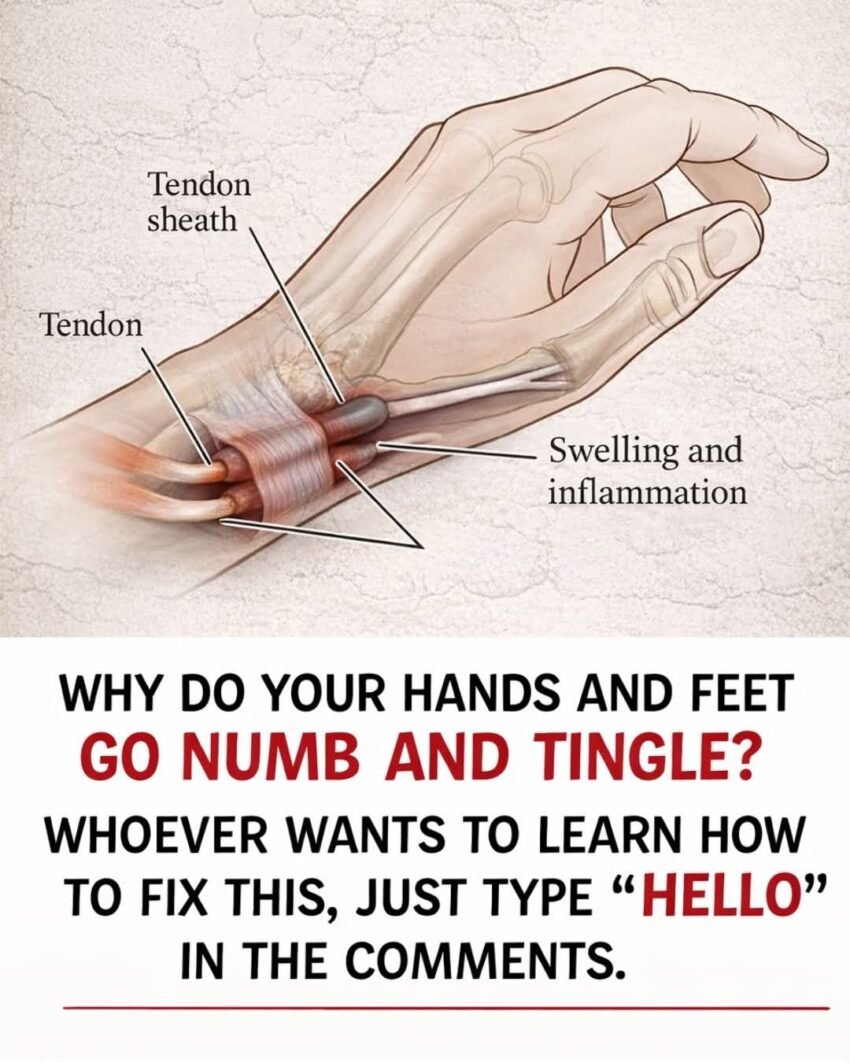
Understanding the causes can help you recognize when the sensation is normal and when it might require medical attention.
What Causes the Tingling Sensation?
The “pins and needles” feeling happens when nerves send unusual signals to the brain. These signals may occur when a nerve is pressed, irritated, or not receiving enough blood flow.
Normally, nerves send information between the brain and the rest of the body. When something interferes with this communication, sensations like tingling, numbness, or burning may occur.
Common Causes of Numbness and Tingling
1. Pressure on Nerves
One of the most common reasons for temporary numbness is pressure on a nerve.
This often happens when you:
-
Sit with crossed legs for too long
-
Sleep on your arm
-
Maintain one position for an extended period
The pressure temporarily interrupts nerve signals. Once you move or change position, normal sensation usually returns within minutes.
2. Poor Circulation
Reduced blood flow can also cause numbness or tingling. When tissues do not receive enough oxygen and nutrients, nerves may respond with unusual sensations.
Common circulation-related causes include:
-
Sitting or standing in one position too long
-
Cold temperatures
-
Tight clothing or shoes
Improving blood flow by moving or stretching usually relieves the sensation.
3. Vitamin Deficiencies
Certain vitamins are essential for healthy nerve function, especially vitamin B12, vitamin B6, and vitamin B1.
A deficiency in these vitamins may lead to:
-
Numbness in hands and feet
-
Tingling sensations
-
Weakness or fatigue
Vitamin deficiencies are more common in people with poor nutrition or certain digestive disorders.
4. Nerve Damage (Neuropathy)
Persistent numbness may sometimes result from nerve damage, known as peripheral neuropathy.
This condition can affect the nerves in the hands and feet and may cause:
-
Tingling
-
Burning sensations
-
Loss of feeling
-
Muscle weakness
Peripheral neuropathy can be linked to several health conditions, including diabetes.
5. Diabetes
One of the most common causes of long-term tingling in the feet and hands is diabetic neuropathy, a complication of diabetes.
High blood sugar levels over time can damage nerves, especially in the extremities.
Symptoms may include:
-
Tingling in the feet
-
Numbness in the hands
-
Reduced sensation
-
Burning or sharp pain
Managing blood sugar levels is important to protect nerve health.
6. Anxiety and Stress
Emotional stress and anxiety can sometimes cause tingling sensations in different parts of the body.
During anxiety, the body releases stress hormones that affect breathing, circulation, and nerve signals. This may lead to temporary numbness in the hands, feet, or face.
Once the body relaxes, these sensations usually disappear.
7. Carpal Tunnel Syndrome
Tingling in the hands—especially in the thumb, index finger, and middle finger—may be caused by carpal tunnel syndrome.
This condition occurs when the median nerve in the wrist becomes compressed, often due to repetitive hand movements such as typing or using tools.
Symptoms may include:
-
Hand tingling
-
Numb fingers
-
Weak grip strength
When Should You See a Doctor?
Occasional numbness is usually harmless. However, you should seek medical advice if the symptoms:
-
Occur frequently
-
Last for a long time
-
Become progressively worse
-
Are accompanied by weakness or difficulty walking
-
Occur suddenly with other symptoms like confusion or facial drooping
These signs may require professional medical evaluation.
Simple Ways to Prevent Tingling
Some lifestyle habits can help reduce the likelihood of numbness and tingling.
Stay Physically Active
Regular movement improves circulation and nerve health.
Maintain Good Posture
Avoid positions that compress nerves for long periods.
Eat a Balanced Diet
Ensure adequate intake of vitamins that support nerve function.
Stay Hydrated
Proper hydration supports circulation and nerve health.
Take Breaks During Repetitive Tasks
If you work at a computer or perform repetitive motions, stretch your hands and wrists regularly.
Final Thoughts
Numbness and tingling in the hands and feet are common sensations that many people experience from time to time. In most cases, they occur due to temporary nerve pressure or reduced blood flow and resolve quickly.
However, persistent or frequent symptoms may indicate underlying health issues such as vitamin deficiencies, nerve problems, or circulation disorders. Paying attention to these signs and maintaining a healthy lifestyle can help protect nerve function and overall well-being.
If symptoms continue or become severe, consulting a healthcare professional is the best way to determine the cause and receive appropriate treatment.