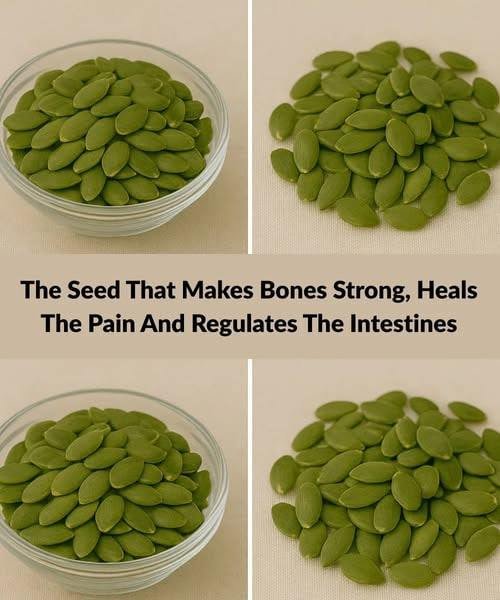
Adding pumpkin seeds to your daily diet is one of the easiest ways to boost your intake of important nutrients that your body needs to function properly.
Nutritional Powerhouse in a Small Seed
Despite their tiny size, pumpkin seeds contain a wide range of nutrients that support overall health. A small handful provides:
-
Magnesium
-
Zinc
-
Iron
-
Calcium
-
Healthy omega-3 and omega-6 fatty acids
-
Protein
-
Dietary fiber
-
Antioxidants
These nutrients work together to support bone health, reduce inflammation, and maintain healthy digestion.
How Pumpkin Seeds Help Make Bones Strong
One of the most important benefits of pumpkin seeds is their ability to support strong bones. This is mainly due to their high magnesium and zinc content.
Rich Source of Magnesium
Magnesium plays a critical role in bone formation. About 60% of the magnesium in the human body is stored in the bones. This mineral helps regulate calcium levels and supports proper bone density.
A magnesium-rich diet may help:
-
Strengthen bone structure
-
Reduce the risk of bone loss
-
Support proper muscle and nerve function
Just a small portion of pumpkin seeds can provide a significant amount of the daily magnesium requirement.
Zinc Supports Bone Growth
Zinc is another mineral found in pumpkin seeds that helps maintain healthy bones. It contributes to the production of collagen and helps the body build and repair bone tissue.
Zinc deficiency has been linked to weaker bones and slower healing after injuries. Including pumpkin seeds in your diet can help ensure you get enough of this important nutrient.
Pumpkin Seeds and Pain Relief
Pumpkin seeds contain natural compounds that may help reduce inflammation in the body. Inflammation is often linked to joint discomfort, muscle pain, and chronic health conditions.
Anti-Inflammatory Properties
The antioxidants and healthy fats in pumpkin seeds can help combat inflammation. This may provide support for people experiencing:
-
Joint stiffness
-
Mild arthritis discomfort
-
Muscle soreness after exercise
Magnesium in pumpkin seeds also helps relax muscles and nerves, which may contribute to reduced muscle tension and pain.
Support for Joint Health
Pumpkin seeds also contain plant compounds known as phytosterols, which may help support joint health and reduce inflammatory responses.
While pumpkin seeds are not a replacement for medical treatments, they can be a helpful addition to an anti-inflammatory diet.
Regulating the Intestines and Supporting Digestion
Digestive health is another area where pumpkin seeds shine. They contain dietary fiber and natural oils that help support healthy bowel movements and gut balance.
High Fiber Content
Fiber is essential for healthy digestion. Pumpkin seeds provide both soluble and insoluble fiber, which help:
-
Promote regular bowel movements
-
Prevent constipation
-
Support healthy gut bacteria
-
Improve nutrient absorption
A healthy digestive system helps the body eliminate waste efficiently and maintain balanced intestinal function.
Natural Support for Gut Health
Pumpkin seeds may also support the growth of beneficial gut bacteria. A balanced gut microbiome is important for digestion, immune function, and overall health.
Additionally, pumpkin seeds have traditionally been used in natural medicine to help maintain intestinal health.
Other Impressive Health Benefits
Beyond bones, pain relief, and digestion, pumpkin seeds provide many other health advantages.
Heart Health
Pumpkin seeds contain healthy fats, antioxidants, and magnesium that support cardiovascular health. These nutrients may help maintain healthy blood pressure and improve circulation.
Immune System Support
The high zinc content in pumpkin seeds helps strengthen the immune system and supports the body’s ability to fight infections.
Better Sleep
Pumpkin seeds contain tryptophan, an amino acid that helps the body produce serotonin and melatonin. These hormones play an important role in sleep quality and mood regulation.
Blood Sugar Regulation
The fiber, protein, and healthy fats in pumpkin seeds help slow the absorption of sugar in the bloodstream, which may help stabilize blood sugar levels.
How to Add Pumpkin Seeds to Your Diet
Pumpkin seeds are versatile and easy to include in many meals.
You can enjoy them in several ways:
Snack:
Eat a small handful of roasted pumpkin seeds as a healthy snack.
Salads:
Sprinkle pumpkin seeds on salads for added crunch and nutrition.
Smoothies:
Blend pumpkin seeds into smoothies for extra protein and minerals.
Oatmeal or Yogurt:
Add them to breakfast bowls for a nutrient boost.
Baking:
Include pumpkin seeds in homemade bread, granola, or energy bars.
Roasted pumpkin seeds with a pinch of sea salt also make a delicious and nutritious snack.
How Much Should You Eat?
Moderation is important. A typical healthy serving size is about 1–2 tablespoons (20–30 grams) per day. This amount provides beneficial nutrients without adding too many calories.
Eating pumpkin seeds regularly as part of a balanced diet can help support long-term health.
Final Thoughts
Pumpkin seeds may be small, but they are packed with nutrients that can support many aspects of health. Their rich supply of magnesium, zinc, fiber, and healthy fats helps strengthen bones, reduce inflammation-related discomfort, and promote healthy digestion.
By adding pumpkin seeds to your daily meals or snacks, you can enjoy a simple and natural way to nourish your body and support overall wellness.
Nature often provides powerful health benefits in the smallest packages—and pumpkin seeds are a perfect example of that. 🌱