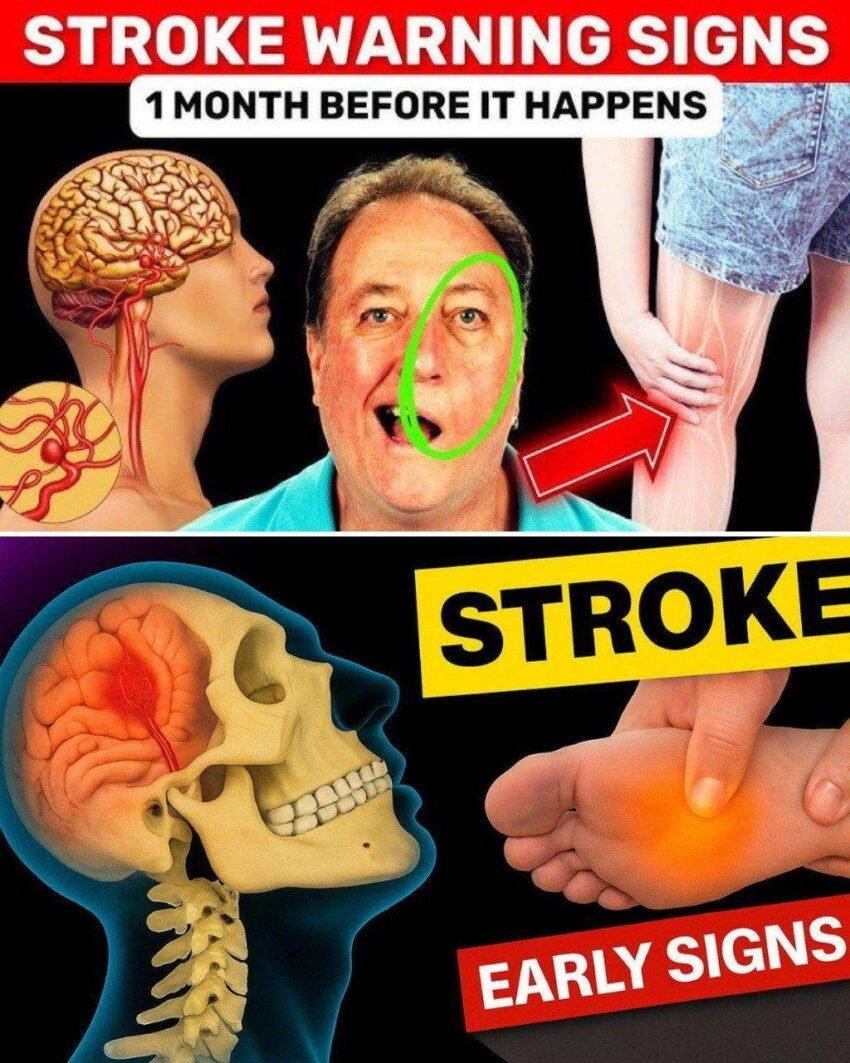
A stroke is a serious medical emergency that occurs when blood flow to part of the brain is interrupted or reduced. Without oxygen and nutrients, brain cells begin to die within minutes. According to global health organizations, millions of people suffer strokes every year, and many cases could be prevented with early awareness and healthy lifestyle changes.
What many people don’t realize is that the body sometimes sends warning signals weeks before a stroke occurs. These early signs may appear mild or temporary, which is why they are often ignored. Recognizing them early can help individuals seek medical care before a life-threatening event happens.
Below are eight warning signs that may appear up to a month before a stroke, followed by nine powerful tips that may help reduce the risk.
8 Warning Signs of Stroke One Month Before
1. Sudden Weakness or Numbness on One Side of the Body
One of the most common early signs of a possible stroke is weakness or numbness affecting one side of the body. This may involve the arm, leg, or face and may come and go.
Some people notice difficulty holding objects, a drooping face, or a heavy feeling in one arm or leg.
2. Temporary Vision Problems
Sudden changes in vision can occur before a stroke. These symptoms may include:
-
Blurred vision
-
Double vision
-
Sudden loss of vision in one eye
These changes may last only a few minutes before returning to normal, which often leads people to dismiss them.
3. Severe or Unusual Headaches
A sudden, intense headache without a known cause can be a warning sign. People sometimes describe it as the worst headache they have ever experienced.
This symptom may be associated with bleeding in the brain or increased pressure inside the skull.
4. Difficulty Speaking or Understanding Speech
Some individuals may experience temporary speech problems before a stroke. This can include:
-
Slurred speech
-
Trouble forming words
-
Difficulty understanding conversations
These symptoms may last only a short time but should never be ignored.
5. Dizziness or Loss of Balance
Frequent dizziness, trouble walking, or a sudden loss of coordination may indicate reduced blood flow to the brain.
If these symptoms appear unexpectedly and without an obvious cause, they may be a warning signal.
6. Sudden Confusion or Memory Problems
People sometimes experience sudden confusion or trouble concentrating before a stroke. They may struggle to follow simple instructions or feel mentally disoriented.
Because these symptoms can be subtle, they are often mistaken for stress or fatigue.
7. Facial Drooping
A drooping or uneven smile can occur when the facial muscles weaken due to nerve disruption in the brain.
Friends or family members may notice that one side of the face looks different when the person smiles or speaks.
8. Brief Episodes of Stroke-Like Symptoms (Mini-Strokes)
Some individuals experience what doctors call a transient ischemic attack (TIA), often referred to as a mini-stroke.
These episodes may cause stroke-like symptoms that disappear within minutes or hours. Even though symptoms resolve quickly, a TIA is a serious warning sign that a full stroke could occur soon.
9 Powerful Tips to Help Prevent Stroke
While some stroke risk factors such as age and genetics cannot be controlled, many lifestyle changes can significantly lower the risk.
1. Control Blood Pressure
High blood pressure is the leading cause of stroke. Regular monitoring and proper treatment can greatly reduce the risk.
2. Maintain a Healthy Diet
A balanced diet rich in fruits, vegetables, whole grains, and lean protein supports heart and brain health.
Reducing salt, processed foods, and unhealthy fats can help control blood pressure and cholesterol.
3. Stay Physically Active
Regular exercise improves circulation, strengthens the heart, and helps maintain healthy blood pressure and weight.
Health experts often recommend at least 150 minutes of moderate activity per week.
4. Manage Diabetes
High blood sugar can damage blood vessels over time, increasing the risk of stroke. Proper diabetes management is essential for long-term health.
5. Maintain a Healthy Weight
Excess body weight increases the risk of several stroke-related conditions, including high blood pressure, diabetes, and heart disease.
6. Avoid Smoking
Smoking damages blood vessels, raises blood pressure, and significantly increases stroke risk. Quitting smoking can rapidly improve cardiovascular health.
7. Limit Alcohol Consumption
Excessive alcohol intake can raise blood pressure and increase the likelihood of stroke. Moderation is key.
8. Manage Stress
Chronic stress may contribute to high blood pressure and unhealthy habits such as poor diet or lack of exercise.
Practices such as meditation, breathing exercises, or spending time outdoors can help reduce stress levels.
9. Get Regular Health Checkups
Routine medical visits help detect conditions like high blood pressure, high cholesterol, or irregular heart rhythms before they cause serious complications.
Early treatment can prevent many strokes.
When to Seek Immediate Medical Help
If someone shows sudden signs of stroke, immediate medical attention is critical. The faster treatment begins, the greater the chance of preventing severe brain damage.
Remember the FAST method:
-
F – Face: One side of the face drooping
-
A – Arms: One arm weak or numb
-
S – Speech: Slurred or difficult speech
-
T – Time: Call emergency services immediately
Even if symptoms disappear quickly, medical evaluation is essential.
The Bottom Line
Stroke is a life-threatening condition, but many cases can be prevented through awareness and healthy lifestyle choices. Early warning signs such as weakness, speech difficulties, vision problems, or sudden dizziness should never be ignored.
By recognizing these signals and following preventive habits like controlling blood pressure, staying active, and avoiding smoking, individuals can greatly reduce their risk.
If you or someone around you experiences symptoms of a possible stroke, seeking medical care immediately can save lives and prevent long-term disability.