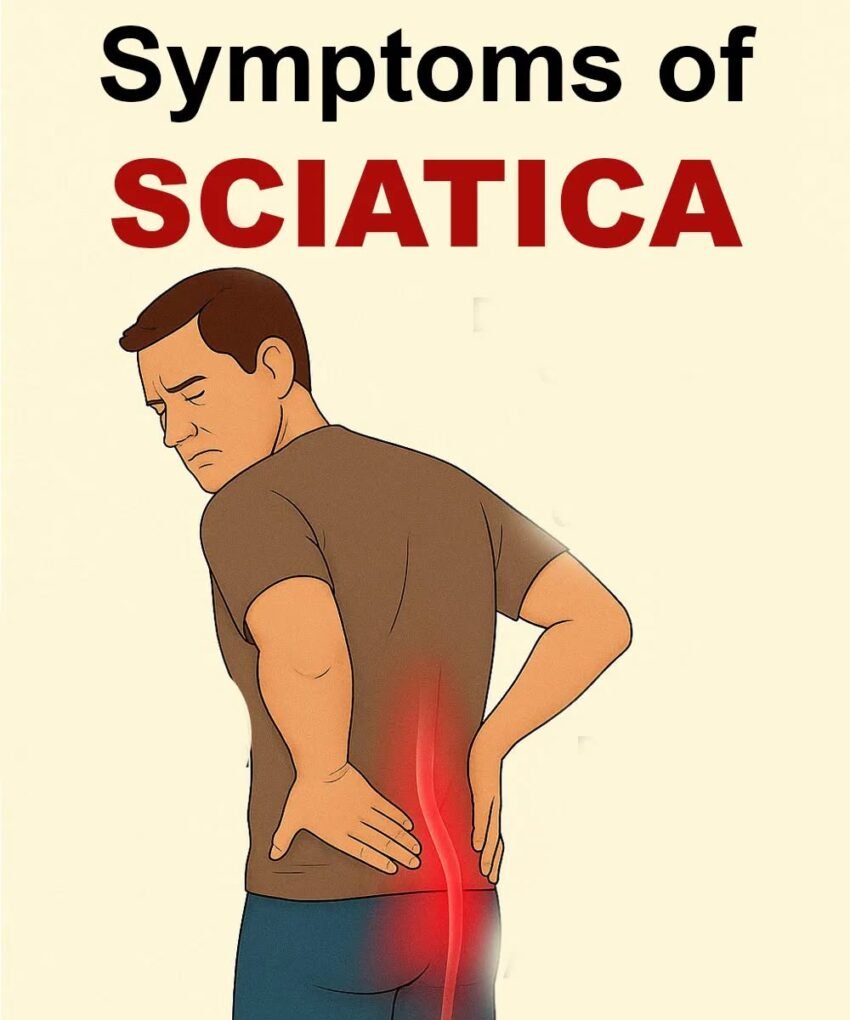
Here’s a detailed comparison and explanation of sciatica and spinal stenosis, including causes, symptoms, diagnosis, and treatment:
Sciatica
Definition:
Sciatica is not a disease itself but a symptom caused by irritation or compression of the sciatic nerve, the longest nerve in the body, which runs from the lower back through the hips, buttocks, and down each leg.
Causes:
- Herniated or bulging disc pressing on the nerve root
- Bone spurs (osteophytes)
- Spinal stenosis (narrowing of the spinal canal)
- Muscle inflammation or injury
- Piriformis syndrome (muscle pressing on the sciatic nerve)
Symptoms:
- Sharp, burning, or shooting pain radiating from the lower back to the buttock and leg
- Numbness, tingling, or muscle weakness in the affected leg
- Pain worsens with sitting, coughing, or sneezing
- Usually affects one side of the body
Diagnosis:
- Physical examination (straight leg raise test)
- Imaging: MRI or CT scan to identify disc herniation or nerve compression
- Electromyography (EMG) to check nerve function
Treatment:
- Conservative management is usually first-line:
- NSAIDs or pain relievers
- Physical therapy and stretching exercises
- Hot/cold therapy
- Activity modification
- If symptoms are severe or persistent:
- Epidural steroid injections
- Surgery (microdiscectomy or laminectomy) in severe cases
Spinal Stenosis
Definition:
Spinal stenosis is a narrowing of the spinal canal, which puts pressure on the spinal cord or nerve roots. It most commonly affects the lumbar (lower back) and cervical (neck) regions.
Causes:
- Age-related degeneration (osteoarthritis)
- Herniated discs
- Thickened ligaments (ligamentum flavum)
- Bone spurs
- Spinal injuries or congenital spinal narrowing
Symptoms:
- Pain, numbness, or weakness in the legs (lumbar stenosis) or arms (cervical stenosis)
- Tingling or cramping in the legs, often worse with walking or standing (neurogenic claudication)
- Symptoms may improve when sitting or bending forward
- Severe cases can affect bladder or bowel control
Diagnosis:
- MRI is the gold standard for visualizing spinal canal narrowing
- X-rays can show bone spurs or degenerative changes
- CT scan may help assess bone involvement
Treatment:
- Conservative treatment first:
- Physical therapy to improve flexibility and strength
- Anti-inflammatory medications
- Activity modification (avoiding prolonged standing or walking)
- Injections: Epidural corticosteroids to reduce inflammation
- Surgery in severe cases:
- Laminectomy (removal of part of vertebra to relieve pressure)
- Spinal fusion in some cases
Key Differences
| Feature | Sciatica | Spinal Stenosis |
|---|---|---|
| Origin | Compression or irritation of sciatic nerve | Narrowing of spinal canal, compressing spinal cord or nerve roots |
| Pain Pattern | Radiates down leg (one side) | Can affect both legs; worsens with standing/walking |
| Primary Symptom | Sharp, shooting leg pain | Leg numbness, tingling, weakness; neurogenic claudication |
| Relief | Sitting or lying down may help | Bending forward, sitting, or leaning reduces symptoms |
| Cause | Herniated disc, muscle, or bone pressing nerve | Degeneration, bone spurs, ligament thickening |
| Treatment | Pain meds, PT, sometimes surgery | PT, meds, injections, sometimes surgery |
Important Note:
Sciatica can be a symptom of spinal stenosis. Many patients with lumbar spinal stenosis experience sciatica-like leg pain due to nerve compression. Proper diagnosis via imaging is essential to guide treatment.