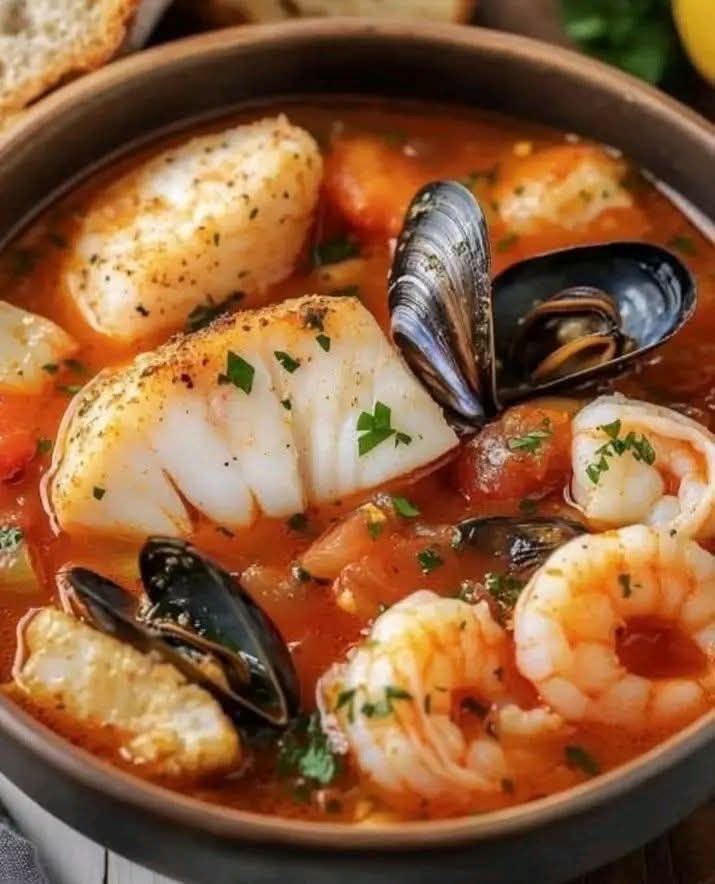
Few dishes capture the essence of French coastal cuisine like bouillabaisse. Originating from the port city of Marseille, this iconic seafood stew is a celebration of fresh fish, aromatic herbs, and rich, flavorful broth. Traditionally prepared by fishermen using unsold catch, bouillabaisse has evolved into a gourmet dish that’s both rustic and refined—a perfect centerpiece for a special dinner or a memorable gathering.
This recipe walks you through creating a classic bouillabaisse that stays true to its Provençal roots while being approachable for home cooks. From selecting the right fish to layering flavors with saffron and fennel, this dish is all about depth, aroma, and comfort.
Ingredients
Makes 4–6 servings
For the Broth:
- 2 tablespoons olive oil
- 1 large onion, finely chopped
- 2 leeks, white part only, sliced
- 2 garlic cloves, minced
- 2 medium tomatoes, peeled and chopped
- 1 fennel bulb, sliced thinly
- 1 small carrot, diced
- 1 teaspoon tomato paste
- 1 teaspoon paprika
- ¼ teaspoon saffron threads
- 1 teaspoon dried thyme or 2 sprigs fresh thyme
- 1 bay leaf
- 1 teaspoon orange zest (optional, for a subtle citrus note)
- 1.5 liters (6 cups) fish stock or water
- Salt and freshly ground black pepper to taste
For the Seafood:
- 500 g (1 lb) firm white fish (cod, monkfish, or sea bass), cut into chunks
- 250 g (½ lb) shell-on shrimp or prawns
- 250 g (½ lb) mussels, cleaned
- 250 g (½ lb) clams, cleaned
- Optional: 150 g (½ lb) squid or calamari rings
For the Rouille Sauce:
- 1 garlic clove
- 1 small red chili, deseeded
- 1 egg yolk
- ½ cup olive oil
- 1 teaspoon lemon juice
- Salt to taste
To Serve:
- Crusty French bread or baguette slices
- Fresh parsley, chopped
Step-by-Step Instructions
1. Prepare the Broth
Heat olive oil in a large heavy-bottomed pot over medium heat. Add onion, leeks, garlic, fennel, and carrot. Sauté for 5–7 minutes until softened and fragrant. Stir in tomatoes and tomato paste, cooking for another 2–3 minutes to deepen the flavor.
Add paprika, saffron, thyme, bay leaf, and orange zest (if using). Pour in the fish stock, bring to a gentle boil, then reduce heat to low and simmer uncovered for 20–30 minutes. This slow cooking extracts maximum flavor from the vegetables and aromatics.
2. Add the Seafood
Start by adding the firm white fish chunks to the simmering broth. Cook gently for 5–6 minutes. Then add shrimp, mussels, clams, and squid if using. Cover the pot and cook for 5–7 minutes more, until the shellfish open and the shrimp turns pink.
Tip: Discard any mussels or clams that do not open—this ensures safety and quality.
3. Prepare the Rouille Sauce
While the stew is cooking, prepare the rouille—a traditional garlic and chili mayonnaise served alongside bouillabaisse.
- In a mortar or small food processor, crush the garlic and chili into a paste.
- Slowly whisk in the egg yolk and olive oil to create a thick, emulsified sauce.
- Add lemon juice and salt to taste.
This spicy, garlicky sauce adds a zesty kick that complements the rich seafood broth.
4. Taste and Adjust
Check the bouillabaisse for seasoning. Add salt and black pepper to taste, adjusting the herbs or saffron if needed. The broth should be aromatic, slightly tangy from the tomatoes, and deeply flavored from the seafood.
5. Serve
Ladle the bouillabaisse into deep bowls, ensuring each portion gets a mix of fish and shellfish. Serve with toasted slices of crusty French bread and a dollop of rouille on the side. Sprinkle with fresh parsley for color and aroma.
Tips for Perfect Bouillabaisse
- Choose Fresh Seafood: Freshness is key—look for firm, glistening fish and lively shellfish.
- Layer Flavors: Don’t rush the broth; slow-simmering extracts more depth from the vegetables and herbs.
- Saffron Matters: Even a pinch adds an unmistakable Provençal flavor and golden hue.
- Serve Immediately: Bouillabaisse is best enjoyed hot and fresh. The seafood can overcook if left too long.
- Customize Your Catch: Mix different firm fish and shellfish depending on availability—traditionally, it was made with whatever was freshly caught.
Variations
- Vegetarian Version: Substitute fish stock with vegetable stock and add hearty vegetables like zucchini, bell peppers, and potatoes.
- Spicy Bouillabaisse: Add extra chili or cayenne to the broth for a subtle heat.
- White Wine Bouillabaisse: Add ½ cup of dry white wine to the broth for acidity and depth.
Nutritional Benefits
Bouillabaisse is not just flavorful—it’s nutritious. Seafood is high in protein and omega-3 fatty acids, which support heart and brain health. The vegetables add fiber, vitamins, and antioxidants, while saffron and herbs bring additional antioxidants and a boost of flavor without extra calories. This dish is filling, healthy, and low in saturated fat if prepared traditionally with olive oil.
Storing and Reheating
- Refrigerator: Store leftover bouillabaisse in an airtight container for up to 2 days.
- Freezer: While seafood does not freeze well after cooking, the broth can be frozen separately for up to 1 month.
- Reheating: Warm the broth gently on low heat, then add freshly cooked seafood just before serving to maintain texture.
Final Thoughts
A classic bouillabaisse is more than just a meal—it’s an experience. With its fragrant broth, fresh seafood, and zesty rouille, it captures the essence of the French Riviera in every spoonful. While it may take a little time to prepare, the rewards are immense: a stunning, flavorful dish that impresses guests and delights the family alike.
Whether you’re a seafood lover or new to French cuisine, this bouillabaisse recipe is approachable, satisfying, and authentic. Serve it with crusty bread, a crisp white wine, and enjoy a true taste of Provence in your own kitchen.