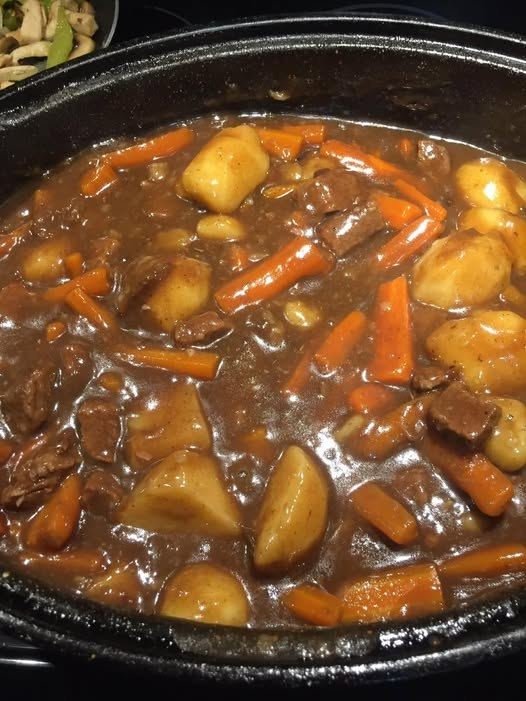
There’s something truly special about a steaming bowl of beef stew. It’s the kind of dish that warms you from the inside out, perfect for cozy nights, family dinners, or meal prep that tastes even better the next day. Rich, flavorful, and packed with tender meat and wholesome vegetables, beef stew has earned its place as a timeless comfort food. In this recipe, we’ll walk you through every step to make a classic, hearty beef stew that’s both satisfying and delicious.
Why Beef Stew Is a Kitchen Favorite
Beef stew is loved worldwide because of its simplicity and depth of flavor. It combines affordable cuts of beef with vegetables and herbs, allowing the flavors to meld over slow cooking. The long simmering process transforms tougher cuts of meat into tender, melt-in-your-mouth bites, while the vegetables soak up the savory broth, creating a dish full of richness and texture. What’s more, beef stew is highly customizable—you can add your favorite vegetables, spices, or even a touch of wine for an extra flavor boost.
Ingredients You’ll Need
To make a classic beef stew, gather the following ingredients:
- 1 kg (2.2 lbs) beef chuck, cut into bite-sized cubes
- 2 tablespoons vegetable oil or olive oil
- 1 large onion, chopped
- 3 cloves garlic, minced
- 3 medium carrots, sliced
- 3 potatoes, peeled and diced
- 2 celery stalks, chopped
- 2 tablespoons tomato paste
- 4 cups beef broth
- 1 cup water
- 2 tablespoons all-purpose flour
- 1 teaspoon salt (adjust to taste)
- ½ teaspoon black pepper
- 1 teaspoon paprika
- 1 teaspoon dried thyme
- 1 bay leaf
- 1 cup peas (optional, added near the end)
- Fresh parsley, chopped, for garnish
Choosing the Right Beef
For the most flavorful stew, select a cut with some marbling and connective tissue, such as chuck or shoulder. These tougher cuts become tender and succulent when cooked slowly. Avoid lean cuts like sirloin, as they may become dry or chewy during long cooking.
Step-by-Step Instructions
1. Prepare the Beef
Pat the beef cubes dry with paper towels—this helps achieve a good browning. Season the meat with salt and black pepper, then lightly coat each piece with flour. The flour helps create a nice crust and also thickens the stew naturally during cooking.
2. Brown the Meat
In a large heavy-bottomed pot or Dutch oven, heat the vegetable oil over medium-high heat. Add the beef cubes in batches, ensuring they don’t overcrowd the pan. Brown all sides evenly, then remove the meat and set it aside. Browning adds depth and richness to the stew’s flavor.
3. Sauté the Aromatics
In the same pot, add chopped onions and cook until softened. Stir in garlic and cook for another minute until fragrant. Then add tomato paste and cook for 2–3 minutes, stirring constantly, which enhances its natural sweetness and flavor.
4. Build the Stew Base
Return the browned beef to the pot. Pour in beef broth and water, scraping the bottom of the pot to lift the browned bits, which add extra depth. Add the carrots, potatoes, celery, thyme, paprika, and bay leaf. Stir everything together until well combined.
5. Simmer Slowly
Bring the stew to a boil, then reduce the heat to low and cover the pot. Let it simmer gently for 1.5 to 2 hours, stirring occasionally. This slow cooking allows the beef to become tender and the flavors to meld beautifully. Avoid rushing this process; patience is key for a truly hearty stew.
6. Add Final Ingredients
About 15 minutes before serving, add the peas if you’re using them. Taste the stew and adjust seasoning with extra salt or pepper if necessary. Remove the bay leaf before serving.
7. Serve and Enjoy
Ladle the beef stew into bowls and garnish with fresh parsley. Serve hot with crusty bread, mashed potatoes, or a simple side salad. The result is a comforting, well-balanced meal packed with flavor.
Tips for the Perfect Beef Stew
- Brown the meat properly: Don’t skip this step—browning builds complex flavors.
- Cook low and slow: Gentle simmering ensures tender meat and rich broth.
- Use good-quality broth: The better the broth, the deeper the stew flavor.
- Evenly cut vegetables: This ensures uniform cooking.
- Let it rest: Beef stew often tastes even better after sitting for a few hours or overnight.
Variations to Try
Slow Cooker Version
After browning the meat and sautéing the aromatics, transfer everything to a slow cooker. Cook on low for 7–8 hours or on high for 4–5 hours. The slow cooker method is perfect for hands-off cooking.
Pressure Cooker Version
For a quicker stew, use a pressure cooker. After browning the beef and sautéing vegetables, cook under high pressure for about 35 minutes. Release naturally for maximum tenderness.
Additional Vegetables
Experiment with mushrooms, green beans, turnips, or parsnips to add variety and extra nutrition. Frozen vegetables can be added toward the end of cooking.
Optional Flavor Boosts
Add a splash of red wine, Worcestershire sauce, or a few fresh herbs like rosemary to enhance depth and aroma.
Storing and Reheating
Beef stew is ideal for leftovers:
- Refrigerator: Store in an airtight container for up to 4 days.
- Freezer: Freeze for up to 3 months.
- Reheating: Warm on the stove over low heat, stirring occasionally, or in the microwave until hot.
Nutritional Benefits
Beef stew is not only satisfying but also nutritious. It provides high-quality protein from the beef, fiber and vitamins from the vegetables, and essential minerals like iron, potassium, and zinc. You can control the ingredients, making it a wholesome and balanced meal.
Final Thoughts
This classic beef stew is a dish that brings warmth and comfort with every bite. With tender chunks of beef, flavorful vegetables, and a rich, hearty broth, it’s perfect for any occasion. Whether cooking for family, meal prepping for the week, or serving at a gathering, this beef stew is bound to become a favorite. Take your time with the cooking process, savor the aromas, and enjoy the satisfaction of creating a truly comforting homemade meal.