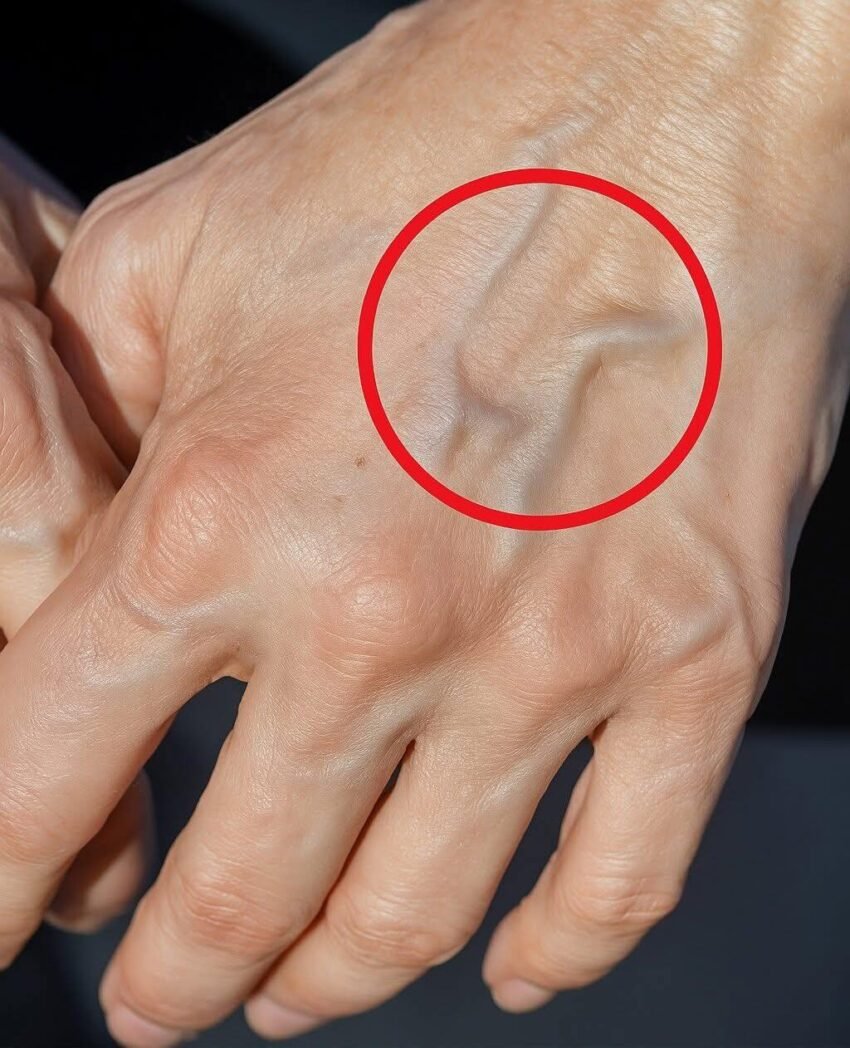
Understanding why veins may suddenly become more visible and when it’s time to seek medical advice can help you protect your health and avoid unnecessary worry.
Why Veins Sometimes Become More Visible
Veins carry blood back to the heart after oxygen has been delivered throughout the body. Under normal circumstances, many veins lie just beneath the skin and may not be very noticeable.
Several everyday factors can cause veins to become more visible without indicating a serious problem.
1. Weight Loss
If you lose body fat, especially quickly, veins may become more noticeable because there is less fat beneath the skin covering them. This is common among athletes, bodybuilders, and individuals who recently lost weight.
2. Exercise and Increased Blood Flow
During or after exercise, muscles need more oxygen, which increases blood flow. This causes veins to temporarily expand, making them appear more prominent. These veins usually return to normal once the body cools down.
3. Aging
As people age, skin becomes thinner and loses elasticity. The fat layer beneath the skin also decreases. These natural changes make veins easier to see, particularly on the hands, arms, and legs.
4. Genetics
Some people simply inherit more visible veins. If family members have prominent veins, you may notice them appearing as you get older.
5. Heat and Warm Weather
Hot temperatures cause blood vessels to dilate in order to cool the body. This can temporarily make veins appear larger and more visible.
In most of these situations, visible veins are completely normal.
Types of Veins You Might Notice
When new veins appear, they usually fall into one of the following categories:
Spider Veins
Spider veins are small, thin veins that appear close to the surface of the skin. They often form red, blue, or purple web-like patterns and commonly appear on the legs or face.
These veins are usually harmless but can sometimes cause mild discomfort.
Varicose Veins
Varicose veins are larger, swollen veins that may appear twisted or bulging. They most often occur in the legs because standing and walking increase pressure in the lower body veins.
Symptoms may include:
-
Aching or heaviness in the legs
-
Swelling in the ankles or feet
-
Burning or throbbing sensations
-
Itching around the veins
Varicose veins are usually not dangerous but may require treatment if symptoms become severe.
When You Should Be Concerned
Although visible veins are often harmless, certain warning signs may indicate a medical condition that requires attention.
Sudden Appearance With Pain
If a new vein appears suddenly and is accompanied by pain, tenderness, or swelling, it could indicate inflammation or a blood clot in the vein.
One condition called superficial thrombophlebitis occurs when a clot forms in a vein near the skin’s surface.
Swelling in One Limb
If visible veins appear along with swelling in one arm or leg, this could signal a deeper blood clot known as deep vein thrombosis (DVT). This condition requires immediate medical evaluation.
Veins That Feel Hard or Warm
A vein that becomes hard, warm, red, or painful to the touch may indicate inflammation or clotting. These symptoms should not be ignored.
Skin Changes Around the Veins
Watch for skin symptoms such as:
-
Darkened or discolored skin
-
Thickened or hardened skin
-
Open sores near the veins
These may occur in advanced vein disease and should be evaluated by a doctor.
Veins Appearing on the Chest or Abdomen
Prominent veins on the chest or abdomen that suddenly appear could be related to problems with blood flow in larger veins. Though uncommon, this may require medical assessment.
Risk Factors for Vein Problems
Some people are more likely to develop vein-related conditions. Risk factors include:
-
Long periods of standing or sitting
-
Obesity
-
Pregnancy
-
Family history of vein disease
-
Smoking
-
Hormonal changes
-
Previous blood clots
Being aware of these factors can help you understand whether your symptoms might need medical attention.
How Doctors Evaluate New Veins
If you visit a doctor for newly visible veins, they may perform several evaluations.
These may include:
-
A physical examination
-
Medical history review
-
Ultrasound imaging to check blood flow
-
Tests to detect blood clots
Ultrasound is commonly used because it allows doctors to see how blood moves through the veins in real time.
Ways to Support Healthy Veins
Even if visible veins are harmless, maintaining healthy circulation can help prevent future vein problems.
Helpful habits include:
Stay physically active
Regular movement improves circulation and prevents blood from pooling in the legs.
Avoid sitting or standing too long
Take breaks to stretch or walk if your job requires long periods in one position.
Maintain a healthy weight
Excess body weight increases pressure on leg veins.
Elevate your legs when resting
Raising your legs slightly can help blood flow back toward the heart.
Wear compression stockings if recommended
These can improve circulation and reduce vein swelling.
The Bottom Line
Veins that suddenly appear can be surprising, but they are often harmless and related to normal body changes such as exercise, weight loss, aging, or heat.
However, painful veins, swelling, skin changes, or sudden prominent veins accompanied by other symptoms may indicate a more serious issue.
If you notice unusual changes in your veins or experience discomfort, it’s always best to consult a healthcare professional. Early evaluation can help rule out serious conditions and ensure your veins remain healthy.