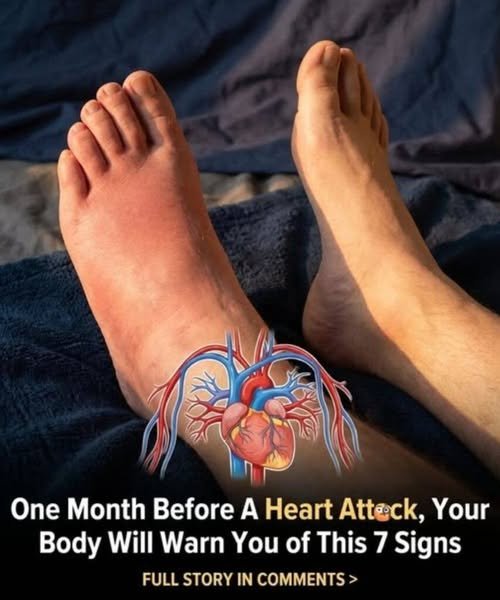
Recognizing these symptoms early may help people seek medical attention sooner and potentially reduce serious complications.
1. Pain or Pressure in the Left Arm
One of the most well-known signs of a heart attack is pain that radiates to the left arm. This occurs because the nerves that carry pain signals from the heart share pathways with nerves in the arm.
The sensation may feel like:
-
Pressure
-
Tightness
-
Aching
-
Burning pain
Sometimes the pain starts in the chest and spreads to the arm, but in some cases the arm pain may appear first.
2. Tingling or Numbness in the Arms
Unusual tingling or numbness in the arms may sometimes occur during a heart attack. This sensation can feel like “pins and needles” or a loss of sensation.
Although numbness is commonly caused by nerve compression or poor circulation, sudden numbness combined with other symptoms such as chest discomfort, sweating, or shortness of breath may require urgent medical attention.
3. Weakness in the Arms
Some individuals experience unexplained weakness in one or both arms before or during a heart attack.
This weakness may cause difficulty:
-
Lifting objects
-
Gripping items
-
Performing normal movements
The feeling may occur because reduced blood flow affects muscle function and nerve signals.
4. Pain Spreading to the Shoulders or Upper Arms
Heart-related pain can sometimes travel beyond the chest and move into the shoulders, upper arms, neck, or jaw.
This spreading discomfort may feel like:
-
Deep aching
-
Tightness
-
Pressure that increases over time
Pain that begins in the chest and radiates outward is a common warning sign.
5. Unusual Coldness or Pale Skin in Arms or Legs
Poor circulation during heart problems may reduce blood flow to extremities such as the arms and legs.
This may cause:
-
Cold sensation in limbs
-
Pale or bluish skin
-
Weak pulse
Circulatory changes should always be taken seriously if they occur alongside other symptoms.
6. Swelling in the Legs or Ankles
Although leg swelling is more commonly associated with heart failure rather than a sudden heart attack, it can still be a sign that the heart is struggling to pump blood effectively.
When blood circulation slows down, fluid can accumulate in the lower limbs, causing:
-
Swelling in ankles or feet
-
Tight or stretched skin
-
Heaviness in the legs
Persistent swelling should be evaluated by a healthcare professional.
7. Sudden Leg Pain or Cramping
In some cases, circulation problems linked to heart disease can lead to pain or cramping in the legs, especially during walking or physical activity.
This condition, often related to reduced blood flow, may signal underlying cardiovascular issues.
Symptoms may include:
-
Leg pain during activity
-
Relief after resting
-
Weakness in leg muscles
Other Common Heart Attack Symptoms
Arm or leg symptoms are often accompanied by other warning signs such as:
-
Chest pressure or discomfort
-
Shortness of breath
-
Cold sweats
-
Nausea
-
Lightheadedness
-
Jaw or back pain
Women, older adults, and people with diabetes may experience atypical symptoms, making awareness even more important.
When to Seek Emergency Help
If you or someone else experiences symptoms that may indicate a heart attack, seek emergency medical care immediately.
Call emergency services right away if symptoms include:
-
Chest pain lasting more than a few minutes
-
Pain spreading to the arm, neck, or jaw
-
Shortness of breath
-
Sudden dizziness or weakness
Early treatment can significantly improve survival and recovery outcomes.
Final Thoughts
The body often sends warning signals before or during a heart attack, and some of these signs may appear in the arms or legs. Pain, numbness, weakness, swelling, or circulation changes should never be ignored—especially when combined with chest discomfort or breathing difficulties.
Understanding these symptoms can help people recognize potential heart problems earlier and seek medical help when it matters most. Awareness and quick action are key factors in protecting heart health and saving lives. ❤️